Renting in the Private Rented Sector (PRS) requires tenants to prioritise checking tenancy agreements, deposit protection (max 5 weeks’ rent), safety certificates (gas/electric), and energy efficiency (EPC). Key responsibilities include timely rent payments, reporting repairs, utility management, and adhering to restrictions on pets or subletting.
Key considerations for tenants in the PRS include:
- Tenancy Agreement: Ensure a written agreement is signed, detailing rent amount, payment method, and duration.
- Tenant Fees Act 2019: prohibits most fees, restricting charges to rent, deposit, holding deposit (max 1 week’s rent), and specific permitted payments like contract changes.
- Deposit Protection: Landlords must protect deposits in a government-backed scheme within 30 days and provide “prescribed information”.
- Safety and Health: Tenants have the right to a safe home, with landlords required to provide a valid Gas Safety Certificate, electrical checks, and a working smoke/carbon monoxide alarm.
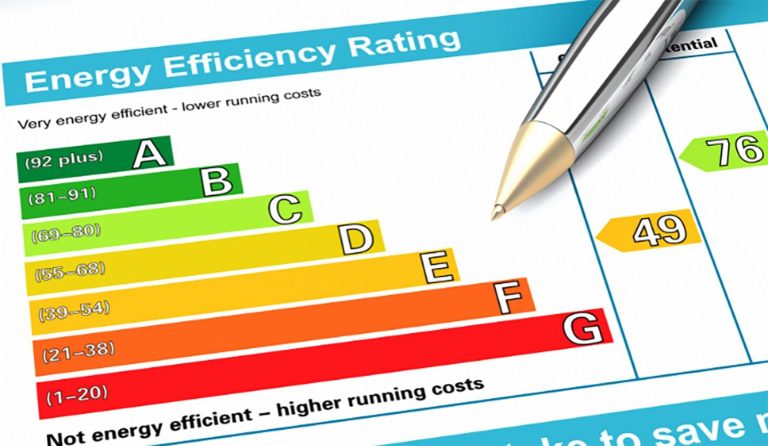
- Energy Efficiency: Properties must have a minimum Energy Performance Certificate (EPC) rating of E or better (unless exemption granted).
- Responsibilities:
- Rent: Pay on time and in full.
- Maintenance: Keep the property clean, well-ventilated to avoid mould, and report repairs promptly.
- Behaviour: Act considerately towards neighbours to avoid eviction for anti-social behaviour.
- Subletting: Do not take in lodgers or sublet without explicit landlord permission.
- End of Tenancy: Return the property in the same condition as when moved in (minus fair wear and tear), using the inventory for checks.
- Communication: Both the tenant and landlord benefit when communication is clear, polite and professional. Sometimes, things don’t go to plan – whether it is maintenance in the property or things have changed for the tenant (income, health, etc)