Inspections
It is critical to ensure the landlord/agent keeps a regular eye on the property, and especially get the tenant(s) to inform them of any problems. This will hopefully stop any minor problems becoming major.
It is also important to remember that access to the property is only with the tenant’s consent. It is critical not to abuse this consent. Whilst the law states that access can be gained after giving 24 hours written notice, if the tenant refuses access the landlord cannot enter the property.
The best way of gaining access is to have a clause in the tenancy agreement stating that regular inspections will be carried out. Then the landlord/agent can contact the tenant stating that the next inspection will be at a given time and date, and that the tenant can be present if required but does not have to be. Unless the tenant responds to state that access is refused, it will be acceptable to enter.
Recommended intervals for inspections are within the first week, to ensure all is well and that the tenant has understood all the instructions upon check-in. After that, it is probably best to arrange quarterly visits in the first year; perhaps six-monthly thereafter.
The critical thing is to retain good communications with the tenant(s).
Property Safety & Habitation
- Gas Safety Certificate: Annually (by Gas Safe registered engineer).
- Electrical Safety Check: Every 5 years (EICR, qualified electrician).
- Smoke/CO Alarms: Must be working at tenancy start; regular testing advised.
- Fitness for Human Habitation (Homes Act 2018): Ongoing duty to keep property safe and free from serious hazards.
Occupancy Compliance
- Tenancy Numbers: Check the occupants match those agreed, as over-occupancy or subletting are likely to result in issues including HMO licensing and insurance.
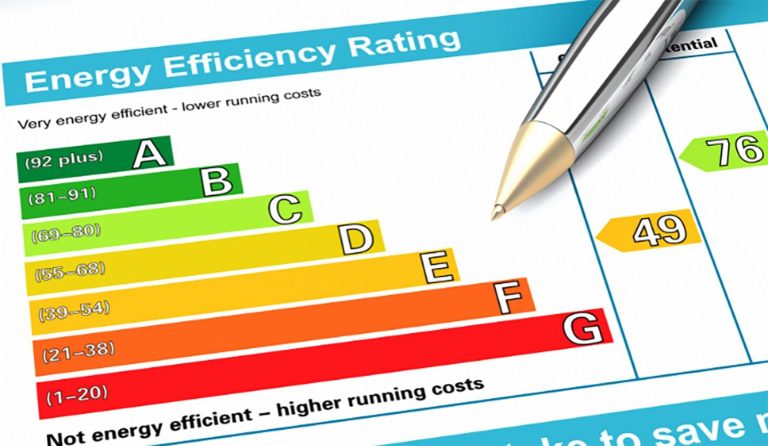
- EPC (Energy Performance Certificate): It is expected that minimum permitted EPC requirements will change to EPC of C or better between 2028 and 2030.
- Right to Rent Check: Review checks for tenants who do not have a permanent right to remain.
Repairs & Maintenance
- Maintain structure, exterior, heating, plumbing, and electrical systems (major repairs are the landlord’s responsibility).
- Respond promptly to repair requests.
- The Renters Rights Act will bring additional requirements, including the Decent Homes Standard and Awaab’s Law.
Rent & Finance
- Collect rent on time as per agreement.
- If rent is late or not paid in full, contact the tenant to get an explanation and agree how and by when they will bring it up to date and what steps they will take to avoid it happening again. Follow up with a written summary of what is agreed.
- Rent increases are only permitted annually using a Section 13 notice (Form 4), providing at least two months’ written notice (one month currently, moving to two from May 2026), stating the new rent, start date, and ensuring it reflects market rates for periodic tenancies. Tenants can challenge the increase at a tribunal if they disagree.
Documentation
Keep records of all certificates (Gas, Electrical, EPC) and deposit scheme paperwork.